The Next Chapter in Airline Distribution: Key Insights from ECTAA Travel Distribution Summit 2026
February 19, 2026
Introduction
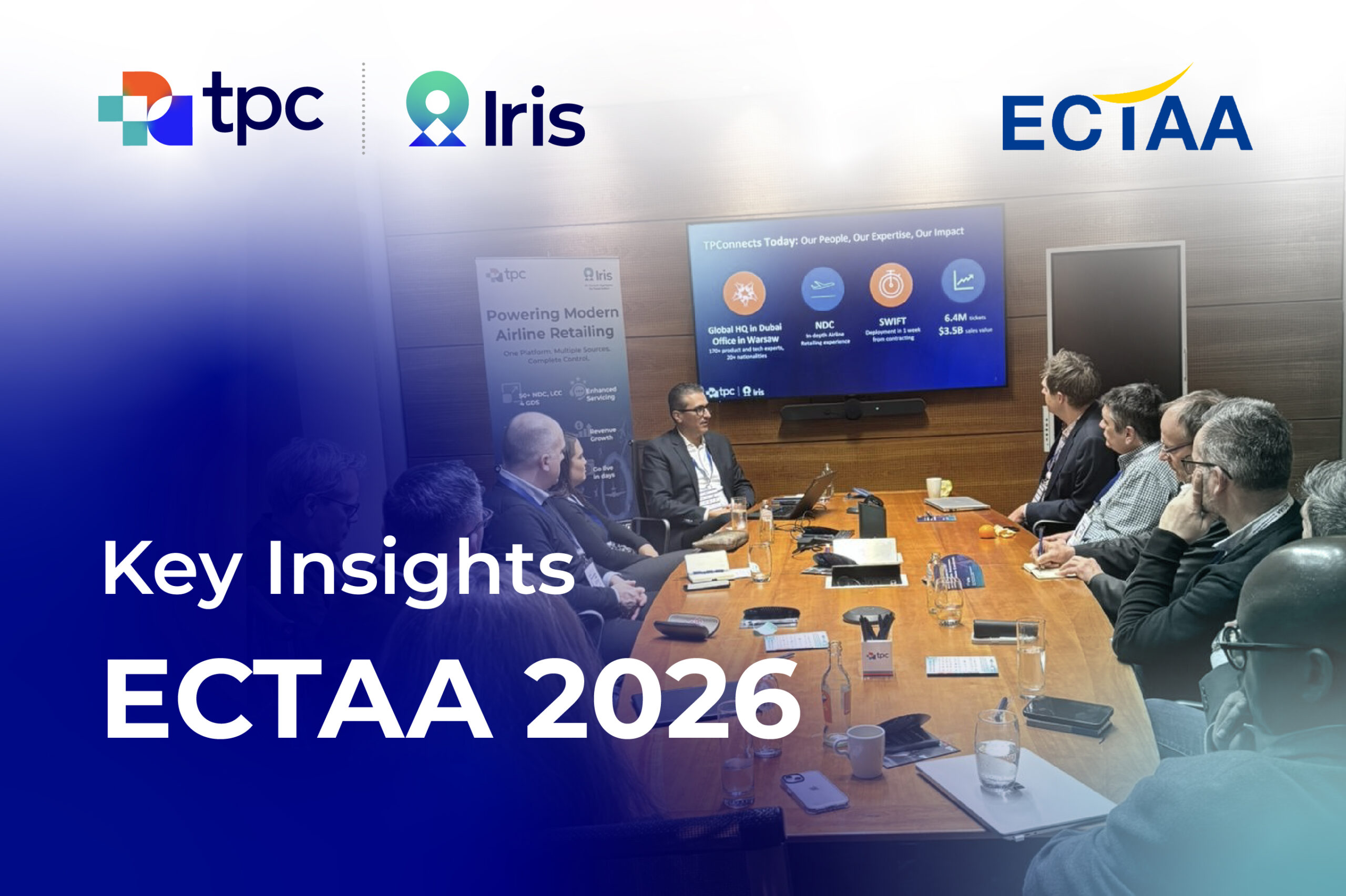
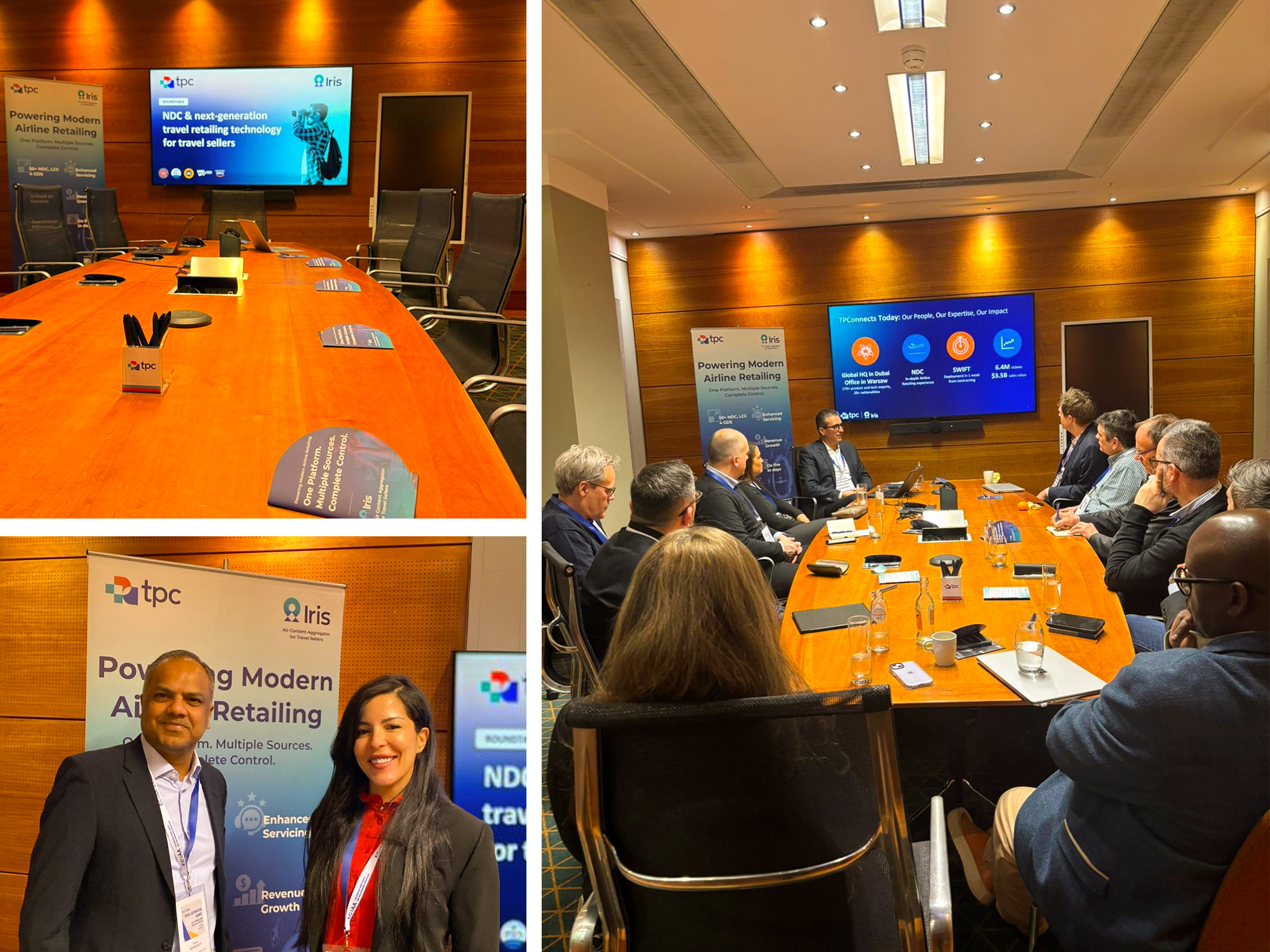
The ECTAA Travel Distribution Summit 2026 brought together travel sellers, tour operators, distribution experts, and technology providers to tackle the practical realities of modern airline distribution. The industry has clearly matured – we’re no longer debating if change is necessary, but how to make it work operationally.
Here are the key themes that dominated the discussions.

Multi-Source Content: Why Aggregation Matters
A consistent theme throughout the summit was the complexity of managing content from multiple sources – GDS, NDC aggregators, and direct airline connections.
The real value isn’t in where content comes from—it’s in how effectively you can normalize, merchandise, and service it once it’s in your ecosystem.
Servicing challenges span the entire content landscape. LCCs remain difficult to integrate and service efficiently. NDC servicing has only recently been addressed in version 24.1, but adoption remains limited. This means agencies must navigate not just different content types (LCC, GDS, NDC), but also multiple NDC versions ranging from 17.2 to 24.1.
Servicing: The Industry’s Biggest Pain Point
Post-booking servicing emerged as the most pressing challenge across every roundtable and panel discussion.
While NDC has delivered on richer content and dynamic pricing, managing reservations after booking remains frustratingly complex. Large travel agencies are struggling with modifications, cancellations, and refunds across multiple content sources. Agents toggle between systems, managing different workflows for what should be straightforward tasks.
The root issue? Fragmented systems that don’t talk to each other. When you’re pulling content from GDS, NDC, and direct connections, servicing becomes an operational nightmare without a unified platform.
Bottom line: distribution innovation means nothing if agencies can’t efficiently service what they sell.
This is where TPConnects Iris addresses a critical gap. Beyond enabling booking and servicing within the platform, IRIS also allows agencies to import PNRs from external sources – whether NDC or GDS – and manage them alongside native bookings within a single servicing platform. This eliminates the workflow fragmentation that’s slowing down operations, giving agencies unified control regardless of where bookings originated.
Ancillary Revenue: The Untapped Opportunity
Ancillary revenue management generated significant interest, particularly around markup flexibility. While some platforms offer markup capabilities on seats and baggage, agencies want more – the ability to apply intelligent markups across the full spectrum of ancillary services: meals, lounge access, fast track, priority boarding, and everything else airlines now sell.
Major travel agencies and corporate travel players confirmed that while ancillary markup isn’t widely deployed yet, it’s firmly on their roadmap. The revenue potential is too significant to ignore.
Technical Performance: The Hidden Deal Breaker
A major European online travel agency shared a crucial insight: they walked away from a provider because the API was too data-heavy for their infrastructure. As an agency storing months of shopping and booking data, API performance wasn’t a nice-to-have – it was a deal-breaker.
This is an important reminder: as we build more sophisticated distribution solutions, we can’t ignore the operational realities our clients face. Scalability means technical efficiency at volume, not just feature breadth.

AI: From Hype to Practical Application
AI discussions focused on three practical use cases already being deployed:
Content Normalization
Machine learning is standardizing disparate content structures and eliminating duplicate options to present clearer choices.
Traffic and Cost Management
Continuous pricing means every search can trigger live airline system requests. As shopping volumes grow – essential for dynamic packaging at scale – AI-driven traffic management balances content freshness with cost efficiency.
Workflow Automation
Post-booking servicing, reconciliation, and exception handling offer significant automation potential that may prove more impactful than front-end innovations.
The takeaway: AI will separate platforms that can scale from those that can’t.
What This Means for the Industry
ECTAA 2026 made it clear that we’re past the hype cycle. The industry is asking harder, more practical questions:
- How do we service complex, multi-source bookings efficiently?
- How do we optimize revenue across the full airline retail spectrum?
- How do we manage technical constraints while delivering dynamic content?
- How do we build solutions that work for global TMCs and mid-market agencies alike?
The next phase of airline retailing won’t be defined by a single technology standard. It will be shaped by platforms that can intelligently aggregate diverse content sources, streamline operations, and unlock revenue opportunities.
TPConnects Iris is built for this reality – addressing the servicing gaps and operational complexities that determine whether innovation succeeds or stalls. Because at the end of the day, technology only matters if it works in real-world operations where agencies need to manage bookings efficiently and maximize revenue.
Want to learn how TPConnects Iris can streamline your multi-source servicing operations? Get in touch with our team