What T2RLEngage 2026 revealed about turning offer and order ambition into results
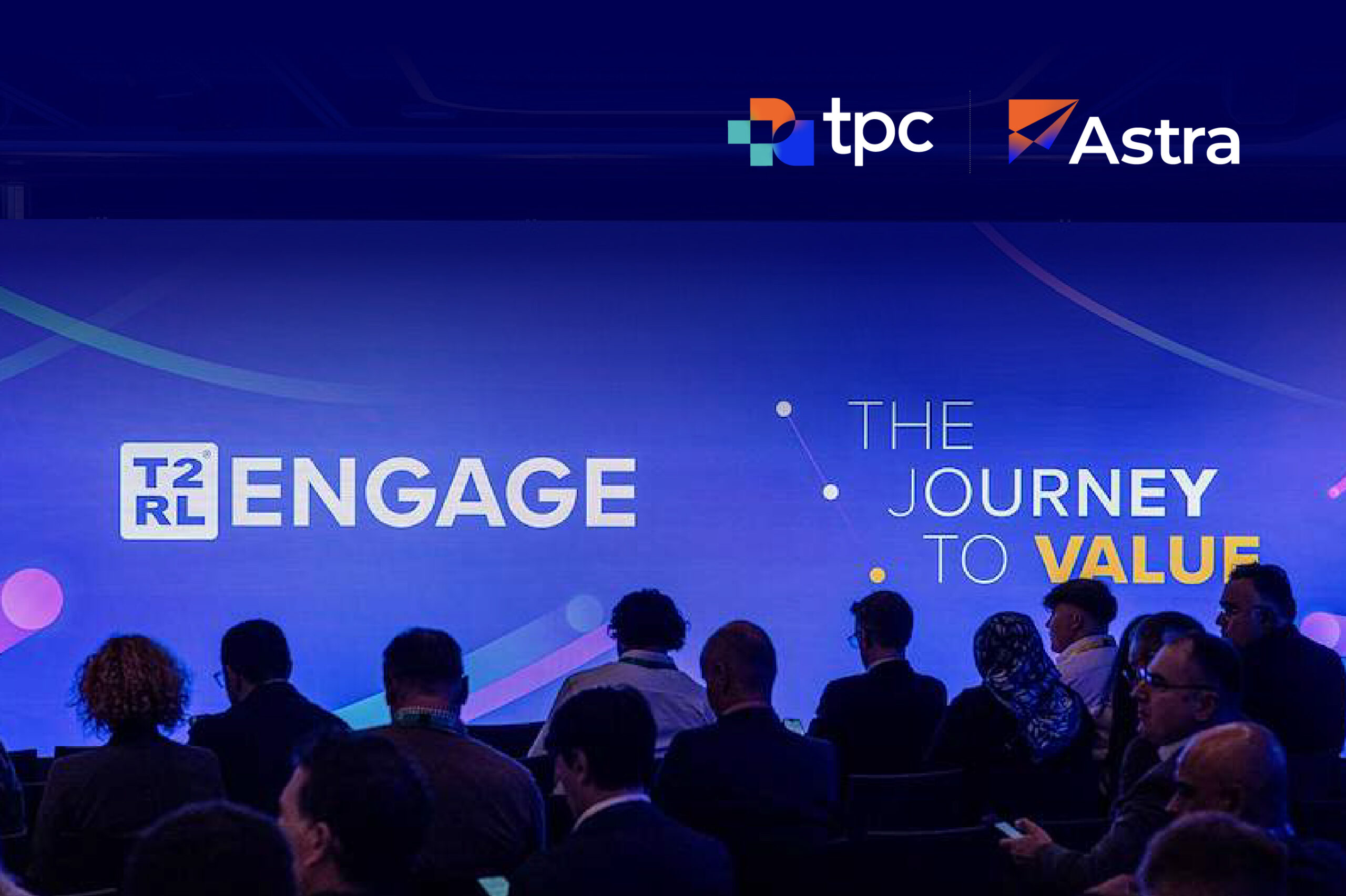
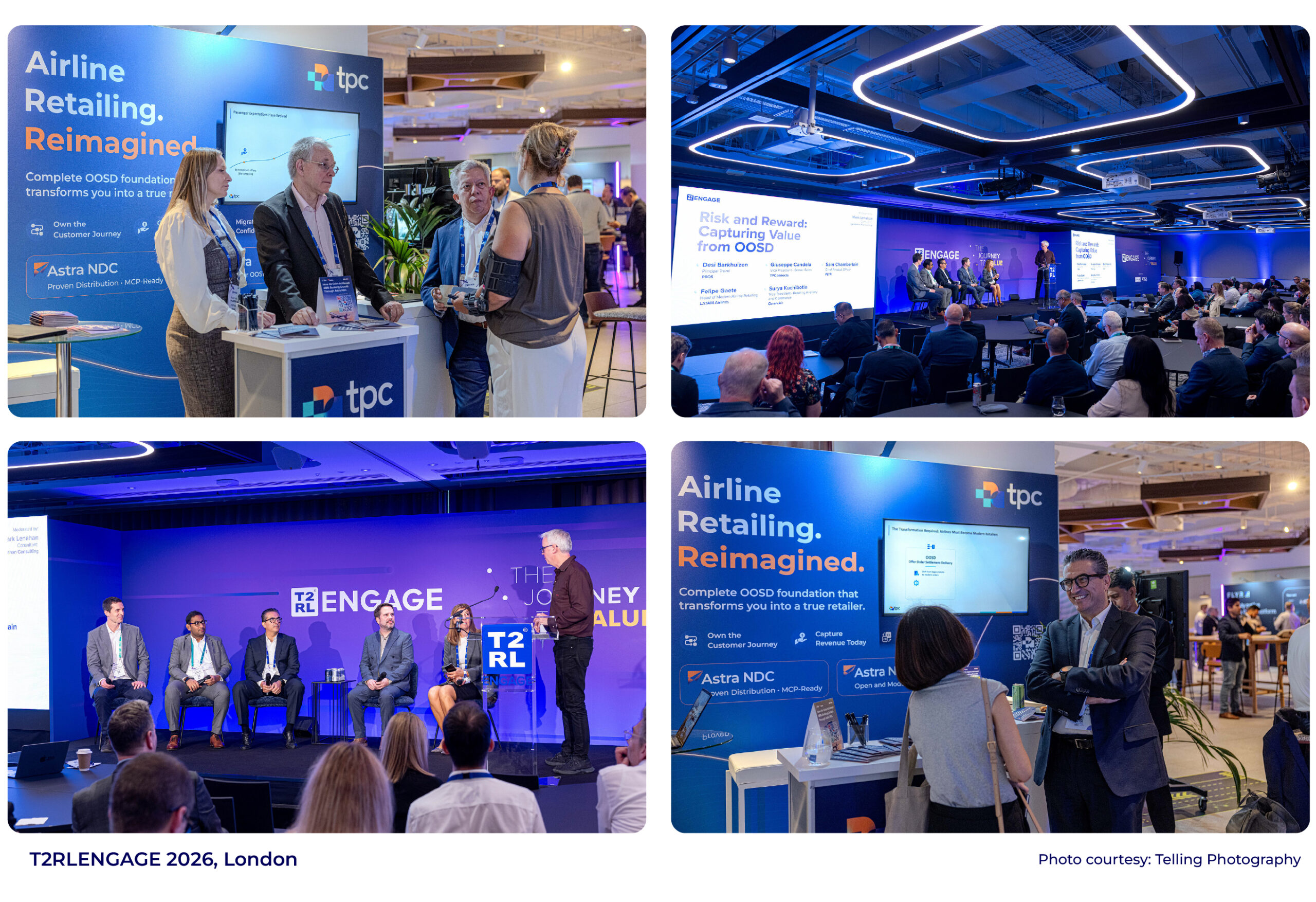
Offer and order is no longer a question of if. At T2RLEngage 2026 in London, the conversation had moved on to value: which capabilities deliver first, how airlines build the business case, and how they move beyond legacy constraints without disrupting operations.
One example TPConnects raised on the Risk and Reward: Capturing Value from OOSD panel was the nine-passenger cap. Most orders still limit bookings to nine travelers; a rule inherited from legacy systems. For airlines serving large families and groups, removing that limit could improve both conversion and revenue. Group booking optimization can lift airline revenue by up to 28% based on T2RL’s report, and automation can cut group quote generation from days to minutes. Therefore, this is a practical test of transformation: are we using new technology to create new possibilities, or carry old rules forward?
Commitment is growing
T2RL’s The Market for Airline Retailing and Delivery Systems 2026 report shows OOSD commitments broadening across network carriers, LCCs and hybrids. Airlines carrying close to 600 million passengers a year have committed to full or partial transformation. Almost 8% of network airline volume, and around 5.4% of all passenger airline volume, is committed to or live on Order Management.
Much of this progress is happening without full platform replacement. In 2025, only two PSS migrations involved airlines carrying more than 3 million passengers. Meanwhile, two airlines serving a combined 200+ million passengers are already running product catalog, stock keeper, and offer modules alongside their existing systems.
The direction is clear: airlines are adding capabilities in stages, at a pace their operations and investment plans can support.
Start where value appears
Orders provide the foundation for modern retailing but Offer Management can deliver commercial results while that foundation is still being built.
The report highlights that airlines carrying more than 260 million passengers a year are already live with offer capabilities such as dynamic pricing, bundling, and ancillary optimization. Offer modules are also the most common starting point for airlines taking a partial approach.
The opportunity extends beyond selling more of the same products. Across carriers TPConnects works with, standalone ancillary sales have driven revenue growth of more than 15%. Dynamic bundles of air and non-air products, tailored to each passenger’s request, could unlock considerably more value still.
AI is changing how offers are found
Travel shopping is starting to move into AI assistants and agents, and airline offers need to be ready for it. That means AI applications must be able to access an airline’s content in a consistent, structured way, whichever channel the request comes from.
NDC fragmentation makes that harder, because different partners connect through different schema versions. T2RL’s report highlights how Astra normalizes NDC schema versions from 18.2 through 24.4+ into a harmonized interface, exposed through MCP. This gives airlines a consistent way to connect their offers with emerging AI applications, without building a separate integration for each one.
A path that fits the airline
T2RL’s report points out that PSS contracts now carry much of the weight of modular transformation, securing the rights airlines need to integrate and replace modules as their needs evolve. For many carriers, that makes the next PSS contract decision an opportunity to decide how quickly they want to develop their retailing capabilities. Airlines can begin with distribution or offers, then expand toward orders and the rest of the retailing journey.
Astra supports every stage of that path:
- Astra NDC gives airlines control over how offers reach travel sellers and aggregators. It’s PSS-agnostic, NDC 24.4-certified, and deploys in around 90 days with ConvertEngine reducing search volume by 60%, with 97% accuracy.
- Astra Nova covers the full OOSD journey, from catalog and offers through orders, settlement and delivery. By working with leading partners so each part of the stack runs on proven technology, its modular approach lets airlines modernize at their own pace, moving beyond legacy constraints.
What airlines can take from London
The journey to value starts with a few practical decisions:
- Treat the next PSS renewal as a retailing decision. Build in the freedom to add or replace capabilities as the business evolves.
- Start where commercial returns are visible. Offers, pricing, and ancillaries can deliver value while the order transition progresses.
- Question inherited limits. Ask whether each rule still serves the customer, or simply reflects an older system.
- Look for results in production. Live deployments show how modules work together under real operating conditions.
Every airline’s journey will look different. The right architecture gives each one room to move at its own pace.
TPConnects Astra Nova delivers open, modular and legacy-free OOSD capabilities, including a smart bridge for a phased, risk-free transition.
Contact us: sales@tpconnects.com | tpconnects.com